
Did you know that affiliate marketing is responsible for over 16% of all e-commerce sales in the United States? This staggering statistic highlights the immense potential of affiliate marketing as a passive income stream, even for those who don’t have their own products. If you’re looking for ways to earn money online and explore new passive income ideas, this guide to affiliate marketing for beginners is your perfect starting point.
Affiliate marketing allows anyone to start earning revenue by promoting other people’s products or services. Without the need for inventory, product creation, or shipping logistics, even novices can delve into the world of digital marketing and start to see results. Whether you’re wondering how to start affiliate marketing or seeking a low-risk entry into generating passive income, this article will provide you with the essential steps and strategies to get started.

Key Takeaways
- Affiliate marketing accounts for over 16% of all e-commerce sales in the U.S.
- It’s an effective way to earn money online without owning a product.
- This guide covers key steps and strategies to help beginners get started.
- Focus on finding your niche and creating high-quality content.
- Explore different affiliate programs and platforms to maximize your earnings.
- What is Affiliate Marketing?
- How to Get Started with Affiliate Marketing
- Selecting the Right Affiliate Programs
- Blogging vs. YouTube: Which is Better for Affiliate Marketing?
- Creating High-Quality Content
- SEO Strategies for Affiliate Marketers
- Social Media Platforms for Affiliate Marketing
- Importance of Building Trust with Your Audience
- Leveraging Email Marketing for Affiliate Success
- Understanding Affiliate Commissions
- Affiliate Marketing for Beginners: How to Make Passive Income Without a Product
- Tracking Your Affiliate Marketing Success
- FAQ
- What is affiliate marketing?
- How does affiliate marketing work?
- How do I get started with affiliate marketing?
- What is a niche in affiliate marketing?
- Should I start a blog or a YouTube channel for affiliate marketing?
- Where can I find affiliate programs?
- How do I choose the best affiliate programs for beginners?
- What are some tips for creating high-quality content?
- What are some SEO strategies for affiliate marketers?
- Can I use social media for affiliate marketing?
- Why is building trust with my audience important?
- How can I leverage email marketing for affiliate success?
- What are the different types of affiliate commissions?
- What are some methods to track my affiliate marketing success?
What is Affiliate Marketing?
Affiliate marketing is a dynamic strategy where individuals or companies (affiliates) earn commissions by promoting someone else’s products. This performance-based model hinges on affiliates driving traffic or sales through their marketing efforts. Below, we delve into the core aspects of this exciting online marketing strategy.
Definition of Affiliate Marketing
To put it simply, what is affiliate marketing can be summarized as a technique wherein affiliates market another entity’s products and earn a slice of the profit. By utilizing unique links or promotional codes, affiliates can track referrals and sales, ensuring transparency and accountability. This method not only provides a passive income stream but also capitalizes on the affiliate’s existing audience.
How Affiliate Marketing Works
Now that we have affiliate marketing explained, let’s dive into its mechanisms. Affiliates select products or services that align with their niche and target audience. These products are then promoted via websites, social media, or email campaigns. Each promotional effort embeds unique tracking links that identify the affiliate responsible for the referral. When a consumer clicks on the link and makes a purchase, the affiliate earns a commission.
One of the most impactful online marketing tips is to choose trusted affiliate programs that offer lucrative commissions and reliable tracking systems. The success of any affiliate marketing endeavor heavily relies on consistent, high-quality promotions that resonate with the target audience.
| Key Component | Description |
|---|---|
| Affiliate | Person or company that promotes products in exchange for a commission. |
| Merchant | The creator or seller of the product. |
| Consumer | Individual who purchases the products through the affiliate’s link. |
| Tracking | System that records sales and traffic generated by affiliates. |
How to Get Started with Affiliate Marketing
Embarking on your affiliate marketing journey can be both exciting and daunting. By following a systematic approach, you can navigate the complexities and set a strong foundation for success. Here’s a comprehensive guide to get you started on the right foot.
Find Your Niche
Choosing a niche is perhaps one of the most crucial steps when starting affiliate marketing. A well-selected niche should align with your interests, expertise, and market demand. When choosing a niche, consider topics you are passionate about and that have substantial audience interest. Conduct thorough market research to ensure there is a demand for content related to your chosen niche. Focus on niches where you can provide genuine value and unique insights.
Start a Blog or YouTube Channel
Once you’ve settled on a niche, the next step is to decide on a platform for promoting your affiliate products. You have the option of blogging for income or creating a YouTube channel to generate YouTube income. Both platforms have their unique advantages and can be highly effective if managed well.
If you enjoy writing and have a flair for creating detailed content, starting a blog may be the best choice for you. A blog allows for in-depth articles and continuous audience engagement. On the other hand, if you’re comfortable in front of the camera and can produce engaging video content, a YouTube channel might be the ideal platform. High-quality videos not only attract a substantial number of viewers but also foster a strong connection with your audience, driving higher conversion rates.
In conclusion, starting affiliate marketing involves meticulous planning in terms of choosing a niche and selecting the right platform for promotion. Whether you opt for blogging for income or a YouTube channel to generate YouTube income, both avenues require consistent effort and strategic content creation to build a successful affiliate marketing business.
Selecting the Right Affiliate Programs
When diving into affiliate marketing, choosing the best affiliate programs can significantly impact your success. It’s essential to explore options that align with your niche and target audience. This section covers popular affiliate marketplaces and easy affiliate programs for beginners to help you get started.
Popular Affiliate Marketplaces
Affiliate marketplaces serve as platforms where companies list their affiliate programs. Selecting affiliate programs from renowned affiliate marketplaces ensures credibility and a wide range of products. Here are a few popular choices:
- ShareASale: Known for its variety and reliability, ShareASale offers countless affiliate programs ideal for different niches.
- Amazon Associates: With almost any product imaginable, Amazon’s affiliate program is perfect for beginners, boasting a straightforward signup process and attractive commissions.
- CJ Affiliate: CJ Affiliate (formerly Commission Junction) offers popular brands with diverse commission structures, suitable for various audiences.
Top Affiliate Programs for Beginners
When starting, easy affiliate programs for beginners can provide a smoother entry into the world of affiliate marketing. These programs are user-friendly and often come with excellent support and resources.
Here are some of the top recommendations:
- Bluehost: A reliable web hosting service known for high commissions and recurring payments.
- ClickBank: Offers various digital products with superb affiliate support, making it accessible for newcomers.
- eBay Partner Network: Versatile and easy to use, eBay’s program is popular due to its vast array of products.
Understanding these basics will help in selecting affiliate programs that resonate with your niche and audience, setting the stage for a rewarding affiliate marketing journey.
Blogging vs. YouTube: Which is Better for Affiliate Marketing?
When deciding between blogging for affiliate marketing and using YouTube for affiliate marketing, it’s important to understand the benefits and challenges of each platform. Both options provide unique opportunities for earning affiliate commissions, but the best platform for affiliate marketing often depends on individual preferences and resources.
Blogging for Affiliate Marketing: Blogging allows for in-depth content creation that can target specific keywords and rank well on search engines. Written content is evergreen and can drive traffic to your affiliate links over longer periods. Additionally, blogs offer flexibility with monetization through ads, sponsored posts, and email marketing. However, starting a blog and consistently producing high-quality content requires strong writing skills and time investment.
YouTube for Affiliate Marketing: YouTube is a powerful platform for affiliate marketing due to its vast audience and visual appeal. Videos can demonstrate products in a way blog posts cannot, providing a more engaging and personal approach. YouTube’s algorithm can help your content go viral, rapidly increasing visibility for your affiliate links. On the downside, video production may require more resources, including equipment and editing skills. Furthermore, creating consistent, high-quality videos necessitates effort and creativity.
Choosing the best platform for affiliate marketing ultimately hinges on your strengths and content strategy. Some marketers even combine both blogging and YouTube to maximize their reach and affiliate earnings.

A side-by-side comparison of blogging and YouTube can provide further insight:
| Criteria | Blogging | YouTube |
|---|---|---|
| Content Type | Text, Images | Videos |
| SEO Potential | High | Moderate |
| Engagement | Moderate | High |
| Monetization Options | Ads, Sponsored Content | Ads, Sponsorships, Super Chats |
| Resource Intensity | Low to Moderate | High |
Both platforms offer unique pathways to success in affiliate marketing. Understanding your capabilities and the demands of each platform is key to making the most informed decision for your affiliate marketing journey.
Creating High-Quality Content
Creating high-quality content is the cornerstone of successful affiliate marketing. It not only enhances your credibility but also drives engagement and conversions. When shaping your content strategy, it’s essential to focus on both written and visual mediums to cater to diverse audience preferences. Below, we delve into writing in-depth guides and producing engaging videos, providing valuable tips to elevate your content.
Writing In-Depth Guides
Writing comprehensive and detailed guides is vital for educating your audience and establishing authority. These in-depth pieces should offer clear, actionable advice tailored to your target niche. When considering how to write guides, begin by researching the topics most relevant to your audience’s needs. Optimize your content by incorporating relevant keywords, and structure your guide logically with headings, bullet points, and numbered lists to enhance readability.
Producing Engaging Videos
Video content has become increasingly crucial for engaging audiences. When making videos for marketing, ensure your content is compelling and informative. Use clear visuals and concise narratives to keep viewers engaged. Adding subtitles and interactive elements can further boost engagement. Whether you’re demonstrating a product or offering expert advice, videos should be high quality and edited to retain viewer attention.
“Creating content for affiliate marketing requires attention to detail and a deep understanding of your audience’s needs. By producing quality guides and engaging videos, you can significantly boost your affiliate marketing success.”
Balancing written guides with video content ensures a comprehensive approach to content creation, ultimately fostering stronger connections with your audience and driving higher conversion rates.
SEO Strategies for Affiliate Marketers
Implementing robust SEO strategies is crucial for affiliate marketers aiming to increase visibility and drive traffic. This section covers core tactics, including keyword research and on-page SEO techniques, to enhance your affiliate marketing efforts.
Keyword Research
Effective keyword research is the foundation of SEO for affiliate marketing. Understanding what your audience is searching for enables you to create content that meets their needs. Start by using tools like Google Keyword Planner or Ahrefs to identify high-volume, low-competition keywords relevant to your niche.

The objective is to find keywords with a balance of competition and search volume. Incorporate these keywords naturally into your content to improve rankings and attract more organic traffic.
On-Page SEO Techniques
Optimizing individual pages is vital for achieving higher search engine rankings. Focus on the following on-page SEO elements:
- Title Tags: Craft compelling titles that include your primary keywords.
- Meta Descriptions: Write clear, concise meta descriptions that summarize your content and entice clicks.
- Header Tags: Use header tags (H1, H2, etc.) to structure your content effectively and include keywords where appropriate.
- Internal Linking: Link to other relevant pages within your site to improve navigation and boost SEO.
- Alt Text for Images: Use descriptive alt text for images, incorporating keywords to improve image search rankings.
Mastering these on-page SEO techniques will significantly enhance your content’s visibility, making it easier for search engines to understand and rank.
| Keyword Optimization | On-Page SEO |
|---|---|
| Identify high-volume, low-competition keywords using tools like Google Keyword Planner or Ahrefs. | Optimize title tags, meta descriptions, header tags, internal linking, and alt text for images. |
| Incorporate keywords naturally into your content to improve search engine rankings. | Ensure that your content is structured effectively for both users and search engines. |
By integrating these affiliate marketing SEO tips into your strategy, you will be better positioned to attract a targeted audience and achieve your marketing goals.
Social Media Platforms for Affiliate Marketing
Leveraging various social media platforms can significantly enhance your affiliate marketing efforts. Each platform has unique strengths, offering distinct opportunities for affiliate marketers to expand their reach and maximize their potential for success. Here, we explore effective strategies for using YouTube, Instagram, Facebook, Twitter, and LinkedIn in your affiliate marketing campaigns.
YouTube
With its vast user base and visual-centric content, YouTube is ideal for affiliate marketing. Create engaging videos that genuinely review products or provide valuable tutorials. High-quality, informative content can attract a substantial audience, generating trust and driving affiliate conversions.
Using Instagram for marketing is immensely beneficial due to its emphasis on visuals and high user engagement. Post visually appealing photos and stories showcasing the products you promote. Utilize Instagram’s features like IGTV and Reels to offer more dynamic content. The combination of eye-catching visuals and engaging captions can drive traffic and conversions.
Facebook affiliate strategies can leverage the platform’s extensive user base and powerful ad capabilities. Start by creating a dedicated page or group to build a community around your niche. Share regular updates, engaging posts, and run targeted ads to reach a broader audience. Utilizing Facebook’s analytics tools can help fine-tune your campaigns for better results.
Twitter offers a dynamic environment for sharing timely content related to your affiliate products. Utilize hashtags effectively to increase visibility and join conversations in your niche. Regularly tweet updates, share links to your content, and engage with your followers to create a loyal audience that trusts your recommendations.
For those targeting professionals and businesses, LinkedIn can be a powerful tool. Share insightful articles and posts related to your affiliate products, and participate in industry-specific groups to broaden your reach. Building your professional network on LinkedIn can establish your authority and drive targeted traffic to your affiliate offers.
By harnessing the power of social media for affiliate marketing, you can significantly expand your audience and boost your affiliate earnings. Tailor your strategies to each platform’s unique strengths, ensuring that your efforts are both effective and engaging.
Importance of Building Trust with Your Audience
In affiliate marketing, building trust online is foundational to your success. When engaging audiences, the level of trust they place in you can make or break your efforts. By fostering a sense of authenticity and reliability, you ensure a long-lasting, loyal community.

Transparency and Authenticity
One of the most effective ways to build affiliate marketing trust is to prioritize transparency in marketing. Ensure that your audience knows when a link is an affiliate link and be honest about your experiences with the products you promote. Authenticity goes a long way in cultivating faithful relationships, as audiences are more likely to trust influencers who are upfront and genuine.
Consistent Engagement
Maintaining a steady and positive interaction with your audience is crucial. Engage with them through comments, social media, and email newsletters. This consistent engagement helps in creating a community feel, making followers feel valued and involved. When audiences see your commitment to them, their trust in you strengthens, resulting in more successful marketing efforts.
Leveraging Email Marketing for Affiliate Success
Harnessing email marketing strategies can be a game-changer for affiliate marketers. Effective email marketing can help you build a loyal audience, drive conversions, and increase your affiliate earnings. Let’s delve into the essential components for leveraging email marketing in affiliate marketing.
Building an Email List
The foundation of every successful email marketing campaign begins with building an email list. Start by creating a compelling lead magnet that resonates with your target audience. This could be a free e-book, a discount coupon, or access to exclusive content. Incorporate signup forms strategically across your website, such as pop-ups, sidebars, and embedded forms within your blog posts.
It’s crucial to encourage visitors to subscribe by offering real value. Be transparent about what subscribers can expect in terms of content and frequency. This helps in setting the right expectations and reducing unsubscribes.
Crafting Effective Email Campaigns
After building an email list, the next step is to focus on crafting effective email campaigns. Personalized and engaging content is key. Segment your email list based on demographics, behavior, and interests to tailor your messages more precisely. This segmentation can significantly enhance open rates and engagement.
Your email campaigns should include a mix of content types — from valuable information and tips to product recommendations and exclusive offers. Always ensure that your emails provide real value to your subscribers rather than being purely promotional. Incorporate compelling calls-to-action that drive your audience toward taking desired actions, such as clicking an affiliate link or making a purchase.
| Strategy | Benefits |
|---|---|
| Personalization | Increases engagement and conversion rates. |
| Segmentation | Ensures targeted and relevant messages. |
| Value-Driven Content | Builds trust and loyalty among subscribers. |
By utilizing these email marketing strategies, affiliate marketers can create impactful email campaigns for affiliates that not only nurture leads but also convert them into loyal customers. Regular communication with your audience and consistently providing valuable content is crucial to sustained success in the affiliate marketing realm.
Understanding Affiliate Commissions
Understanding affiliate commission structures is crucial for anyone diving into affiliate marketing. Affiliate commissions can vary broadly, affecting how and when you get paid. This section will outline the differences and benefits of various commission types, helping you to make informed decisions.
One-Tier vs. Two-Tier Commissions
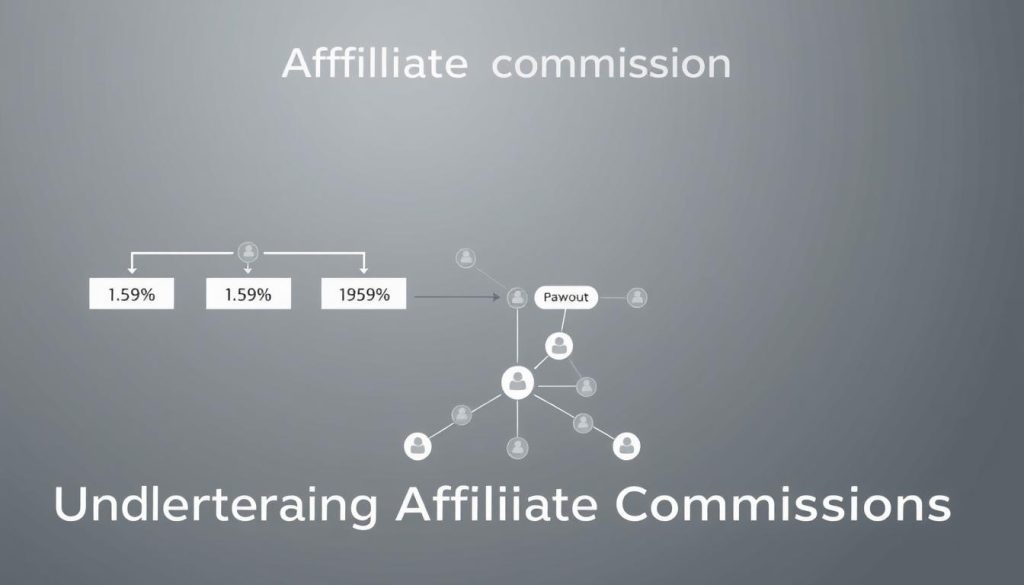
In a one-tier commission structure, affiliates earn a commission solely for sales driven directly by their referral. This is straightforward and simple to manage. On the other hand, a two-tier commission system not only pays the affiliate for direct sales but also for sales made by other affiliates they recruit into the program. This layered approach can significantly expand your earnings potential, offering a dynamic way to leverage your network.
Recurring Commissions
Another lucrative option is recurring commissions, where affiliates receive consistent payments as long as the referred customer remains active. Common in subscription-based services, this model ensures a steady stream of income over time. Understanding how affiliate payments work in these programs is crucial for long-term financial planning.
Additionally, some programs offer tiered affiliate programs, which reward affiliates for achieving specific sales milestones. Combining multiple commission types can maximize your earning potential, making it essential to explore all available options.
Affiliate Marketing for Beginners: How to Make Passive Income Without a Product
Venturing into affiliate marketing is a promising way to generate passive income through affiliate marketing without the hassle of product management. This method allows individuals to earn money by promoting products created by others, making it an ideal choice for those interested in earning passively.
One of the main advantages of this form of marketing is the ability to earn a commission from sales made through your referral links. By focusing on niche markets and providing valuable content, beginners can establish a steady stream of passive income through affiliate marketing.
Additionally, engaging in affiliate marketing without a product allows marketers to dedicate their time to content creation and audience engagement. This means less time spent dealing with inventory and customer service, and more time building a brand and fostering trust with your audience.
Affiliate marketing without a product leverages the reach of various platforms, including blogs, YouTube channels, and social media, to connect with potential buyers. Utilizing these channels effectively can lead to sustainable, long-term revenue streams and the joy of earning passively while doing what you enjoy.
Tracking Your Affiliate Marketing Success
Once your affiliate campaigns are up and running, it’s crucial to monitor their performance. Effective tracking of affiliate marketing success involves using various analytics tools to gain insights into what’s working and what needs optimization. This ensures that your efforts lead to tangible results and maximizes your passive income potential.
Using Analytics Tools
Analytics tools are essential for tracking affiliate performance. Google Analytics is a powerful and widely-used tool that provides detailed reports on traffic sources, user behavior, and much more. Additionally, affiliate networks often provide their own analytics dashboards, offering information on clicks, conversions, and earnings. By leveraging these tools, you can assess how well your affiliate links are performing and identify areas for improvement.
Monitoring Conversion Rates
One of the key metrics to pay attention to is conversion rates. This metric indicates the percentage of visitors who complete a desired action, such as making a purchase or signing up for a newsletter. By monitoring conversion rates, you can determine the effectiveness of your affiliate campaigns. Experimenting with different strategies and optimizing affiliate campaigns based on these insights can significantly improve your overall performance and revenue.
FAQ
What is affiliate marketing?
Affiliate marketing is a performance-based marketing strategy where an affiliate earns a commission for marketing another person’s or company’s products. Affiliates promote products and earn a share of the profit from each sale generated through their referral links or codes.
How does affiliate marketing work?
Affiliates choose products to market, promote those products through various platforms like blogs or YouTube, and use special links or codes to track referrals. When someone makes a purchase using those links, the affiliate earns a commission.
How do I get started with affiliate marketing?
Begin by selecting a niche that aligns with your interests or market demand. Start a blog or YouTube channel to create content around this niche, and then choose and join affiliate programs that fit your audience. Promote products through engaging and high-quality content.
What is a niche in affiliate marketing?
A niche is a specific segment of the market that you target with your content and product promotions. It could be anything from health and fitness to technology or fashion. Selecting a niche helps you focus your efforts and become an authority in that area.
Should I start a blog or a YouTube channel for affiliate marketing?
Both blogging and YouTube have their advantages. Blogs are great for in-depth articles and SEO, while YouTube is ideal for engaging videos and visual content. Your choice should depend on your skills, resources, and content strategy.
Where can I find affiliate programs?
Popular affiliate marketplaces like ShareASale and Amazon Associates offer a wide range of programs for beginners. Research and choose programs that align with your niche and offer a good commission structure.
How do I choose the best affiliate programs for beginners?
Look for programs that are beginner-friendly, offer good commissions, and have products that match your niche. Check reviews and payment terms, and ensure that the programs provide reliable tracking and support.
What are some tips for creating high-quality content?
Focus on writing detailed guides, producing engaging videos, and providing valuable information to your audience. Use clear language, visuals, and personal experiences to make your content relatable and trustworthy.
What are some SEO strategies for affiliate marketers?
Key SEO strategies include conducting thorough keyword research, optimizing your on-page SEO with proper titles, meta descriptions, and internal linking, and continuously updating your content to stay relevant.
Can I use social media for affiliate marketing?
Absolutely! Platforms like YouTube, Instagram, Facebook, Twitter, and LinkedIn can be very effective for promoting affiliate products. Each platform has unique advantages, so tailor your strategies to fit the audience and format of each.
Why is building trust with my audience important?
Trust and authenticity are crucial in affiliate marketing. Being transparent about your affiliations and consistently engaging with your followers helps build a loyal and trusting audience, which can lead to better conversions and long-term success.
How can I leverage email marketing for affiliate success?
Build an email list by offering valuable content and incentives. Craft effective email campaigns that nurture leads with helpful information and recommendations, driving conversions through regular and meaningful communication.
What are the different types of affiliate commissions?
There are several types of affiliate commissions, including one-tier, two-tier, and recurring commissions. One-tier commissions pay for direct referrals, while two-tier commissions also reward you for referrals made by your recruits. Recurring commissions provide ongoing payments for subscriptions or memberships.
What are some methods to track my affiliate marketing success?
Use analytics tools to track performance metrics such as conversion rates, click-through rates, and overall traffic. Monitoring these metrics helps you understand the effectiveness of your campaigns and identify areas for improvement.


コメント